
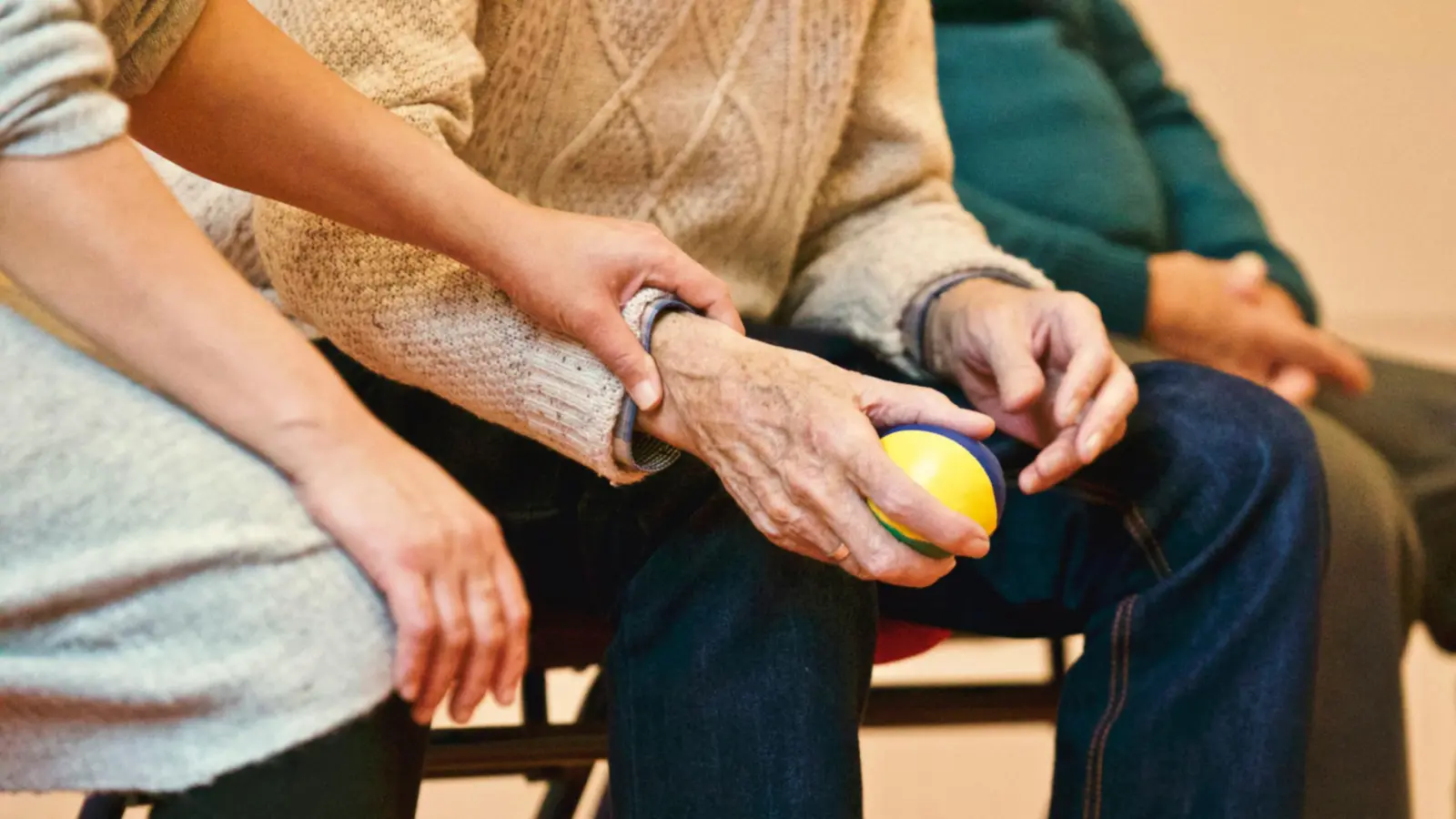
The people who care for you
on a clinical trial
Our Clinical Operations team are the research nurses and data specialists you'll meet face to face. We carry out your trial visits — observations, examinations and blood tests — and make sure every result is recorded safely and accurately. Calm, unhurried, and always on your side.
Kind, safe, excellent
We share the values of Cambridge University Hospitals. They shape every visit, every blood draw and every line of data we record on your behalf.
Kind
You'll see familiar faces. We take the time to explain each step, answer your questions, and make trial visits feel calm and unrushed — never just another appointment.
Safe
Every assessment follows the trial's protocol and good clinical practice. Your observations, examinations and samples are checked carefully, so nothing is missed.
Excellent
Accurate data makes trials trustworthy. Increasingly we pull results straight from your hospital record, reducing manual steps and keeping your information precise.
What happens when you come in
Each trial has a schedule of assessments — a planned set of visits. Here's what a typical clinic visit with our team looks like.
Welcome & check-in
Your research nurse greets you, confirms you're happy to continue, and talks through what today's visit involves.
Observations & exam
We take your observations — blood pressure, heart rate, weight — and carry out any physical examination the protocol asks for.
Bloods & samples
If your visit needs them, we take blood tests and any other samples gently, and send them to the lab for the trial.
Recorded safely
Our data team records your results into the trial's secure forms — often drawn directly from your hospital record in EPIC.
Meet the people
Two roles work hand in hand to look after you and your data. Use the arrows to meet each of them.
Example peopleI see patients through every visit on their schedule of assessments — the obs, the exam, the bloods — and I make sure they never feel like a number.
Research nurses deliver the clinical parts of a trial: taking observations and samples, performing physical examinations, giving trial treatments and watching closely for how each participant is doing. They're the steady, familiar presence at every appointment.
Trials by clinical area
A snapshot of the cancer trials our Clinical Operations team is currently supporting across the Centre.
Example dataWhat's new in Clin Ops
Small steps that make trials kinder for patients and clearer for the science.
Example news